Tooth sensitivity relief is a common concern that many people face, often leading to discomfort or pain during everyday activities like eating and drinking.
Understanding the causes and symptoms of tooth sensitivity is crucial, as it can significantly affect one’s quality of life. From common triggers to effective treatments, this discussion will explore various ways to alleviate sensitivity and improve dental health.
Understanding Tooth Sensitivity
Tooth sensitivity is a common dental issue that affects many individuals at various stages of life. It manifests as discomfort or pain in the teeth when exposed to certain stimuli such as hot, cold, sweet, or acidic foods and drinks. Understanding the underlying causes, symptoms, and treatment options can empower individuals to manage this condition effectively and maintain better dental health.Several factors can contribute to tooth sensitivity, impacting dental health significantly.
Common causes include enamel erosion, gum recession, and dental work such as fillings or crowns. Enamel erosion can occur due to excessive consumption of acidic foods and beverages, as well as aggressive brushing techniques that wear down the protective layer of enamel. Gum recession exposes the sensitive root surfaces of teeth, leading to heightened sensitivity. Additionally, conditions such as teeth grinding (bruxism) can exacerbate the issue.
Recognizing these causes is essential for addressing tooth sensitivity effectively.
Symptoms of Tooth Sensitivity
Symptoms associated with tooth sensitivity can vary widely among individuals but often include sharp, temporary pain or discomfort when consuming hot, cold, sweet, or acidic substances. This pain can significantly impact daily life, causing anxiety over eating and drinking and even affecting social interactions. Symptoms may also involve lingering discomfort that can be felt during activities like brushing or flossing, highlighting the need for timely intervention to mitigate these effects.
Treatments for Tooth Sensitivity
There are various dental treatments available to provide relief from tooth sensitivity. These treatments aim to address the underlying causes and alleviate symptoms effectively. The following options are commonly recommended:
- Desensitizing Toothpaste: These specially formulated toothpaste options contain compounds that help block the transmission of pain signals from the tooth surface to the nerve.
- Fluoride Treatments: Professional fluoride applications can strengthen enamel and reduce sensitivity, often applied during dental visits.
- Dental Sealants: Sealants provide a protective coating over sensitive areas, shielding them from external stimuli.
- Gum Grafts: In cases of severe gum recession, grafts may be used to cover exposed roots and reduce sensitivity.
- Root Canal Therapy: For cases where sensitivity is severe and persistent, a root canal may be necessary to remove nerve pain from within the tooth.
Each treatment approach varies in effectiveness depending on the individual case, highlighting the importance of consulting with a dental professional to determine the most suitable option.
Home Remedies for Tooth Sensitivity
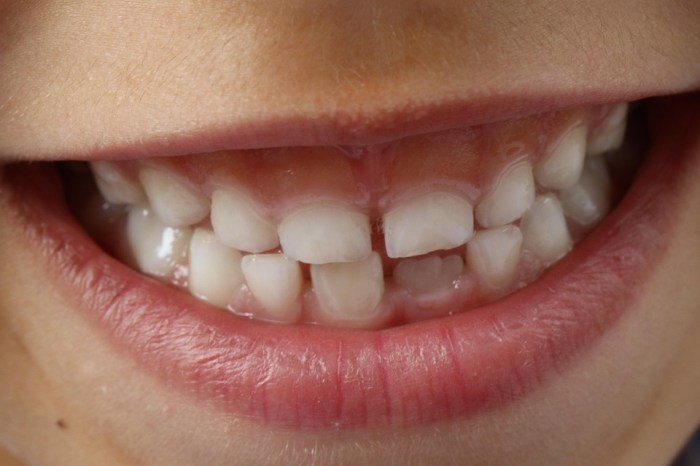
Tooth sensitivity can be a frustrating experience, often making it difficult to enjoy hot or cold foods and beverages. Fortunately, there are several effective home remedies that can help alleviate this discomfort. By incorporating these remedies into your routine, you can find relief and improve your overall oral health.Dietary changes play a significant role in managing tooth sensitivity. Certain foods can exacerbate the problem, while others can help strengthen your teeth and gums.
Below are some recommendations for foods to avoid and those to include in your diet.
Effective Home Remedies
Incorporating natural remedies into your daily routine can provide a soothing effect on sensitive teeth. Here are some effective home remedies to consider:
- Saltwater Rinse: Mixing a teaspoon of salt in warm water creates a natural mouth rinse that can reduce inflammation and promote healing.
- Fluoride Toothpaste: Using toothpaste designed for sensitive teeth, typically containing fluoride, can strengthen enamel and reduce pain.
- Clove Oil: Applying clove oil directly to the affected area can numb the pain due to its natural analgesic properties.
- Honey: Known for its antibacterial properties, honey can help soothe gums and reduce sensitivity when applied directly to the affected area.
- Cold Compress: Applying a cold compress outside your cheek can help numb the nerve endings and alleviate pain temporarily.
To support these remedies, dietary changes are essential. Certain foods can enhance your oral health and minimize sensitivity.
Dietary Recommendations
Modifying your diet can significantly impact your sensitivity levels. Here are some dietary recommendations to consider:
- Avoid Citrus Fruits: Foods high in acid, such as oranges and lemons, can erode tooth enamel and worsen sensitivity.
- Limit Sugary Snacks: Excess sugar promotes tooth decay and can exacerbate sensitivity issues.
- Include Dairy Products: Foods like yogurt and cheese are rich in calcium, which helps strengthen teeth.
- Consume Green Leafy Vegetables: Spinach and kale are high in vitamins and minerals that promote gum health.
- Drink Green Tea: This beverage contains antioxidants that can combat inflammation and improve oral health.
Creating a soothing mouth rinse using natural ingredients can also be beneficial.
Soothing Mouth Rinse Methods
A soothing mouth rinse can provide immediate relief and help protect your teeth. Here are a few methods to prepare a mouth rinse at home:
- Chamomile Rinse: Brew chamomile tea, cool it, and use it as a mouth rinse to reduce inflammation and promote healing.
- Baking Soda Rinse: Mix a teaspoon of baking soda in warm water. This alkaline solution can neutralize acids in the mouth and soothe sensitive teeth.
- Apple Cider Vinegar Rinse: Dilute apple cider vinegar with equal parts water, and use it as a rinse to help remineralize teeth (use sparingly due to its acidity).
Utilizing these home remedies and dietary adjustments can provide effective relief from tooth sensitivity while promoting overall oral health.
Professional Dental Treatments
When it comes to alleviating tooth sensitivity, professional dental treatments offer effective solutions that go beyond home remedies. Dentists can provide tailored treatments to address the underlying causes of sensitivity, ensuring long-term relief. This section explores various professional interventions, comparing their effectiveness and long-term benefits.
Fluoride Treatments Versus Desensitizing Toothpaste
Fluoride treatments and desensitizing toothpaste are commonly recommended options for managing tooth sensitivity. Understanding their differences can help determine which might be more effective for individual cases.Fluoride treatments involve higher concentrations of fluoride applied directly to the teeth, usually in a gel or varnish form. These treatments work by strengthening the enamel and reducing the transmission of sensitivity-causing stimuli through the tooth.
Dentists typically administer fluoride treatments during regular check-ups, making them accessible for many patients.On the other hand, desensitizing toothpaste contains compounds like potassium nitrate or strontium chloride, which help block the nerve signals that cause the sensation of pain. While desensitizing toothpaste can be effective, it may take several applications over time to achieve noticeable results.
Fluoride treatments generally provide faster and more effective relief for acute sensitivity compared to desensitizing toothpaste, which may require consistent use for weeks or months.
Dental Procedures for Long-Term Relief
For individuals experiencing chronic tooth sensitivity, certain dental procedures can offer lasting solutions. These procedures not only target the immediate discomfort but also address the underlying causes of sensitivity.Dental bonding is a procedure where a tooth-colored resin is applied to the sensitive areas of the teeth. This resin serves to cover exposed dentin, which can significantly reduce sensitivity by blocking access to the nerves.
Sealants, typically used to protect molars from decay, can also be beneficial for sensitive teeth. By covering the tooth surface, sealants provide a barrier against environmental factors that may trigger sensitivity.In cases where gum recession is a contributing factor, gum grafting can be performed to restore lost gum tissue. This not only aids in reducing sensitivity but also enhances overall dental aesthetics.
Procedures like bonding or sealants can provide significant and lasting relief from tooth sensitivity by protecting vulnerable areas from external stimuli.
Final Summary
In conclusion, addressing tooth sensitivity is vital for maintaining both comfort and overall dental well-being. With the right knowledge and treatment options, individuals can find effective relief and enjoy their favorite foods and drinks without hesitation.
FAQ Insights
What causes tooth sensitivity?
Tooth sensitivity can be caused by factors such as gum recession, enamel erosion, and dental cavities.
Are there specific foods to avoid for sensitive teeth?
Yes, acidic foods, sugary snacks, and very hot or cold items can exacerbate sensitivity.
Can tooth sensitivity be cured permanently?
While it can often be managed effectively, some individuals may require ongoing treatment to maintain relief.
How long does desensitizing toothpaste take to work?
Typically, it may take a few weeks of consistent use to notice a significant reduction in sensitivity.
Is it safe to use mouthwash with alcohol for sensitive teeth?
It’s advisable to avoid alcohol-based mouthwashes, as they can further irritate sensitive teeth and gums.